
Over 50 years of Tourism Advocacy
Building India's Travel Businesses
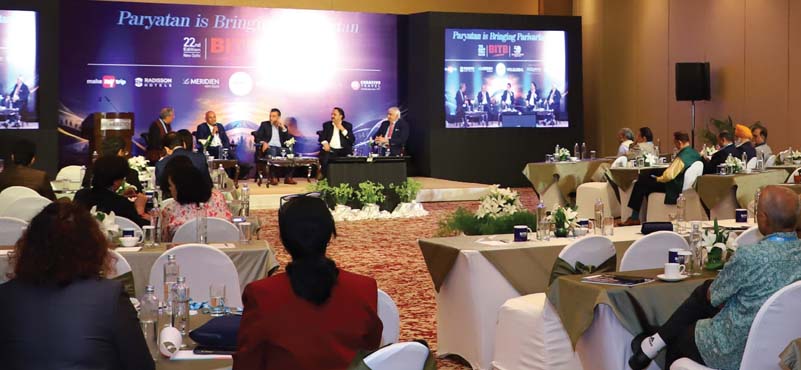
Tourism is a national capability to be developed

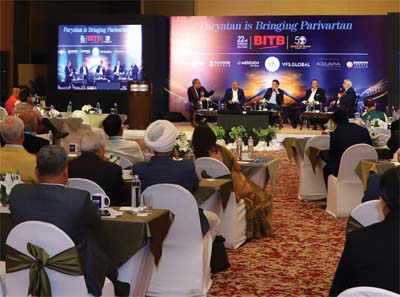
An Editorial Synthesis of the Deliberations of the 22nd BITB Conclave
 Chapter 1
India at a Tourism Inflection Point
India’s tourism sector stands at an important moment in its evolution.
For many years, tourism was viewed largely as a service industry whose principal objectives were to increase visitor numbers, generate foreign exchange and promote destinations. While these objectives remain important, the deliberations of the 22nd BITB Conclave suggested that they no longer capture the full significance of tourism in India’s development journey.
Across six thematic sessions, participants repeatedly returned to a broader understanding of tourism. Whether discussing heritage conservation, hospitality, visitor-friendly cities, experiential travel or the development of lesser-known destinations, the conversations pointed towards a common conclusion: tourism’s greatest contribution lies not only in attracting travellers but in its ability to stimulate wider economic and social transformation.
This broader perspective reflects the changing realities of India itself.
The country is witnessing sustained investment in transport infrastructure, expanding air connectivity, rapid growth in domestic travel, increasing interest in heritage and culture, and rising investment in hospitality. These developments are creating opportunities for tourism to contribute to employment, entrepreneurship, regional development and community prosperity on a scale that was perhaps less evident a decade ago.
 Yet the discussions also recognised that this opportunity cannot be realised automatically.
Tourism does not grow simply because destinations possess natural beauty or historical significance. Nor does infrastructure alone guarantee visitor satisfaction. Successful tourism depends upon the quality of the entire visitor experience—from arrival and mobility to interpretation, accommodation, hospitality and the participation of local communities.
Participants observed that destinations cannot be viewed in isolation from the cities that serve them. Heritage cannot be separated from the communities that sustain it. Hospitality cannot flourish without investment and skilled people. Lesser-known destinations require careful planning if they are to succeed without repeating the mistakes of over-developed tourism centres. Experiences increasingly matter as much as attractions. Above all, tourism should be understood as an integrated ecosystem rather than a collection of independent sectors.
Another recurring theme was the need to move beyond fragmented thinking.
Several discussions highlighted that tourism frequently intersects with urban development, transport, culture, hospitality, environment, skills and local governance. Progress in one area often depends upon progress in another. Participants therefore argued, directly or indirectly, that tourism planning must become more integrated if India is to unlock its full potential.
The deliberations also reflected a sense of optimism.
There was broad agreement that India’s tourism opportunities have never been greater. The country’s cultural diversity, heritage, landscapes, hospitality traditions and expanding domestic market provide strong foundations for future growth. At the same time, participants recognised that future success will depend less upon discovering new attractions than upon improving the quality, accessibility and sustainability of the tourism experience already available.
This Working Paper has therefore been prepared against that backdrop. It does not attempt to produce a comprehensive tourism policy for India. Instead, it identifies the principal priorities that consistently emerged across the discussions and organises them into a coherent framework for consideration by policymakers, industry leaders and all those engaged in building India’s travel businesses.
Its central premise reflects the spirit of the conclave itself. Tourism should no longer be viewed only as an industry that promotes travel. It should increasingly be recognised as a national capability that supports economic growth, strengthens communities, preserves heritage and contributes to India’s wider development.
The chapters that follow examine the principal themes emerging from the six sessions and the national priorities they collectively suggest. Together, they represent not a blueprint for tourism, but an informed contribution to the continuing national conversation on how tourism can play a larger role in India’s future.
Chapter 2
Why Tourism Matters More Than Ever Before
The discussions at the 22nd BITB Conclave repeatedly returned to a question that extends well beyond the tourism industry itself: Why should tourism occupy a more prominent place in India’s development priorities?
The answers offered by participants were remarkably consistent.
Tourism was viewed not simply as an industry that generates visitor movement, but as one of the few sectors capable of creating economic activity across a wide spectrum of society. Unlike many industries that concentrate their benefits within a limited number of locations or enterprises, tourism has the ability to distribute opportunity across cities, towns, villages and regions, touching businesses of every size.
 Throughout the deliberations, participants drew attention to tourism’s close relationship with employment. Hotels, restaurants, transport operators, guides, artisans, cultural practitioners, event organisers, local entrepreneurs and numerous service providers all form part of the wider tourism economy. Growth in tourism therefore stimulates growth across many sectors simultaneously.
This multiplier effect was a recurring theme.
Equally important was the recognition that tourism often creates opportunities in places where few comparable economic alternatives exist. Heritage towns, wildlife destinations, pilgrimage centres, hill stations, coastal regions and rural communities can all derive significant benefit from well-planned tourism development. Participants repeatedly stressed that tourism should therefore be viewed not only as an industry, but also as an instrument of balanced regional development.
The discussions also highlighted tourism’s unique ability to strengthen assets that already exist. Historic buildings acquire renewed purpose when they become part of a vibrant visitor experience. Traditional crafts find new markets. Regional cuisines reach wider audiences. Festivals gain greater visibility. Communities develop renewed confidence in preserving their cultural identity. In this sense, tourism does not simply consume cultural resources. Properly managed, it can encourage their continued relevance.
Several sessions also reflected upon the changing expectations of travellers. Visitors increasingly seek authentic experiences rather than passive sightseeing. They value interaction with local communities, meaningful interpretation of heritage, distinctive hospitality and destinations that retain their character. This changing pattern reinforces the importance of quality over quantity and places greater emphasis upon planning, interpretation and visitor experience.
The discussions therefore suggested that India’s future tourism growth will depend not merely upon attracting more visitors, but upon creating richer and more memorable experiences for those who travel.
Another important thread running through the conclave was the relationship between tourism and infrastructure. Participants observed that airports, highways, hotels and improved connectivity are creating new possibilities for tourism expansion. However, infrastructure alone does not create successful destinations. Visitors ultimately judge their experience through factors such as cleanliness, safety, ease of movement, interpretation, hospitality and the overall quality of public spaces.
Tourism therefore requires coordination across multiple sectors rather than isolated interventions.
Perhaps the most significant conclusion emerging from the discussions was that tourism should no longer be viewed as a peripheral economic activity. Its contribution extends beyond the tourism economy itself. It influences investment decisions, supports entrepreneurship, creates employment, encourages heritage conservation, strengthens local economies, enhances the attractiveness of cities, promotes cultural understanding and contributes to the wider image and confidence of the nation.
Taken together, these observations point towards a larger understanding of tourism’s place within India’s development. The opportunity before the country is not simply to expand tourism. It is to recognise tourism as a strategic capability whose benefits extend well beyond the movement of travellers.
The chapters that follow examine the principal priorities that emerged from the conclave discussions and consider how these may contribute to building stronger destinations, stronger travel businesses and, ultimately, a stronger tourism economy for India.
National Imperative 1
Position Tourism as a National Development Strategy
One of the strongest themes emerging from the 22nd BITB Conclave was that tourism should no longer be viewed in isolation as a sector concerned only with attracting visitors. Across several sessions, participants described tourism as an activity whose influence extends into employment, infrastructure, heritage conservation, hospitality, entrepreneurship, regional development and community well-being.
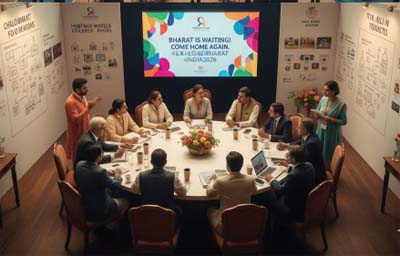 The discussions repeatedly demonstrated that tourism intersects with multiple sectors of the economy. Investments made in transport improve accessibility for visitors as well as residents. Heritage conservation supports both cultural preservation and local enterprise. Hospitality creates employment while encouraging investment in emerging destinations. Better urban environments improve the quality of life for citizens and strengthen the visitor experience simultaneously.
Participants therefore argued that tourism deserves greater recognition within the country’s wider development agenda.
This shift in perspective is important because it changes the questions that policymakers and industry ask. Instead of asking how tourism can be promoted, the discussions increasingly focused on how tourism can contribute to broader national objectives. Employment generation, balanced regional development, urban renewal, heritage conservation and community participation were repeatedly discussed not as separate goals but as outcomes that tourism can help achieve when planned in an integrated manner.
A recurring observation during the conclave was that tourism’s success depends upon coordinated action across many sectors. Improvements in connectivity, city management, destination planning, hospitality, heritage conservation and visitor services reinforce one another. Progress in one area strengthens progress in another.
The deliberations therefore suggest that tourism should increasingly be considered as part of national development planning rather than as a stand-alone sector.
National Imperative: Tourism should be recognised not merely as an industry to be promoted but as a national development strategy capable of generating employment, strengthening local economies, encouraging investment and supporting India’s wider social, cultural and economic objectives.
National Imperative 2
Build the Next Generation of Destinations
A consistent message emerging from the conclave was that India’s tourism future cannot depend indefinitely upon a relatively small number of established destinations. While iconic locations will continue to attract visitors, participants repeatedly argued that the country’s long-term tourism growth will require the systematic development of new destinations across different regions.
The discussions highlighted that many places possessing significant tourism potential remain constrained by inadequate planning, limited visitor facilities, insufficient interpretation and uneven connectivity. Several participants observed that destinations do not become successful simply because they possess natural beauty, heritage or cultural significance. They become successful when these assets are supported by thoughtful planning and a high-quality visitor experience.
 Another important theme was the need to avoid repeating the mistakes experienced by some established tourism centres. Participants emphasised that destination development should anticipate future growth rather than respond only after congestion, environmental pressures or inadequate infrastructure become evident. Planning, they suggested, should precede promotion.
The discussions also recognised that destinations differ in character and therefore require different approaches. Heritage towns, wildlife areas, pilgrimage centres, coastal regions and rural landscapes each present distinct opportunities and challenges. A uniform model of tourism development is therefore unlikely to succeed across such diverse settings.
Equally important was the view that destination development should benefit surrounding communities. Tourism should strengthen local enterprise, encourage entrepreneurship and create opportunities for residents to participate meaningfully in the visitor economy.
National Imperative: India’s future tourism strategy should place greater emphasis on identifying, planning and nurturing the next generation of destinations. Development should be guided by long-term planning, respect for local character and community participation, ensuring that new destinations become sustainable economic assets rather than merely additional places to visit.
National Imperative 3
Create Tourism-Ready Cities
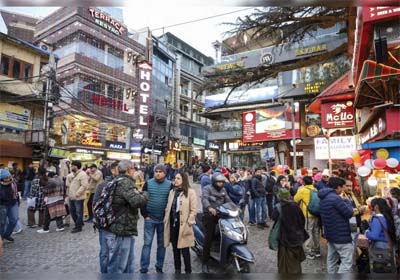
Across the deliberations, participants repeatedly observed that the quality of a visitor’s experience is shaped as much by the city as by the destination itself. Whether travelling for business, leisure, heritage or pilgrimage, visitors judge their experience through the condition of public spaces, mobility, cleanliness, safety, signage and the ease with which they can move around.
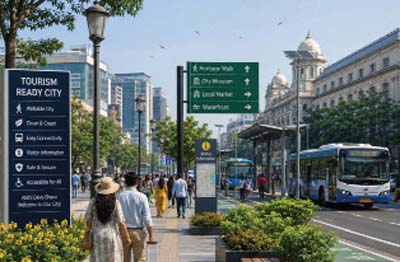 The discussions recognised that many Indian cities possess remarkable cultural, historical and commercial assets. However, these strengths are often diminished by avoidable shortcomings in the urban environment. Congested roads, poor pedestrian facilities, inadequate wayfinding, inconsistent maintenance of public spaces and the absence of visitor-oriented planning were identified as issues that influence both visitor satisfaction and the overall image of a destination.
A recurring view was that tourism planning should become an integral part of urban planning rather than an activity undertaken separately. Cities should be designed first to improve the quality of life for residents. Visitors benefit when cities are cleaner, safer, easier to navigate and more welcoming. Tourism therefore becomes a natural outcome of good urban management rather than an independent objective.
Participants also emphasised that destinations must become easier to understand. Clear signage, well-designed interpretation, pedestrian-friendly streets, accessible heritage precincts, effective public transport and attractive public spaces all contribute to a more satisfying visitor experience. These improvements benefit residents just as much as tourists.
The discussions further highlighted that many successful tourism cities around the world are distinguished not only by their attractions but by the quality of the experience between those attractions. Streets, markets, parks, waterfronts, public squares and neighbourhoods all contribute to the identity of a city. The visitor remembers the city as a whole, not only its monuments.
National Imperative: Indian cities should increasingly integrate tourism considerations into urban planning, recognising that clean, safe, accessible and well-managed cities are fundamental to the country’s tourism competitiveness and to the quality of life of those who live in them.
National Imperative 4
Convert Heritage into Living Economic Assets
The discussions on heritage consistently argued that India’s cultural inheritance should be viewed not only as something to be preserved, but also as a resource capable of generating economic opportunity, strengthening communities and enriching the visitor experience.
 Participants observed that India possesses an extraordinary range of heritage assets—monuments, historic towns, traditional architecture, living cultures, crafts and performing arts. Yet many of these remain disconnected from the wider tourism economy. Visitors often experience individual monuments without engaging with the surrounding communities, local traditions or cultural narratives that give those places their meaning.
A recurring theme was the need to move beyond monument conservation towards heritage management. Preservation remains essential, but heritage acquires greater relevance when it continues to play a meaningful role in contemporary life. Adaptive reuse of historic buildings, improved interpretation, cultural programming and stronger links with local enterprise were all discussed as ways of extending the value of heritage beyond its physical conservation.
Participants also emphasised the importance of interpretation. Visitors increasingly seek understanding rather than simply observation. Heritage becomes more meaningful when its stories, traditions and historical context are communicated effectively. Better interpretation encourages longer visits, deeper engagement and a stronger appreciation of India’s civilisational legacy.
The discussions repeatedly returned to the role of local communities. Heritage should create opportunities for artisans, guides, performers, cultural practitioners and small enterprises. When communities derive tangible benefits from preserving heritage, conservation becomes more sustainable and more widely supported.
National Imperative: India’s heritage should increasingly be managed as a living economic and cultural asset—protected with integrity, interpreted with imagination and developed in ways that strengthen local communities while enriching the visitor experience.
National Imperative 5
Recognise Hospitality as a Strategic Driver of Tourism Growth
The discussions at the conclave consistently highlighted the central role of hospitality in the future growth of Indian tourism. Participants viewed hotels not simply as places of accommodation but as institutions that stimulate investment, create employment, support local enterprise and influence the overall quality of the visitor experience.
 A recurring theme was the rapid evolution of the hospitality sector. New investment, expansion into emerging destinations and changing business models are creating opportunities to extend tourism beyond traditional centres. Participants observed that hospitality has the potential to become a significant driver of regional development, particularly where improved connectivity and growing visitor demand are opening new markets.
The discussions also recognised that hospitality contributes well beyond the tourism sector. Hotels create demand for agriculture, transport, local services, crafts, cultural activities and numerous small businesses. Their impact therefore extends across the wider local economy, generating opportunities for a broad range of enterprises and professions.
Another important point emerging from the session was the changing expectation of travellers. Visitors increasingly seek authentic experiences, personalised service and a stronger connection with the destination itself. Hospitality was therefore seen not only as a provider of accommodation but also as an important interpreter of place, helping visitors engage more meaningfully with local culture, cuisine and heritage.
Participants further emphasised the importance of skilled people. The quality of hospitality ultimately depends upon the professionalism, knowledge and commitment of those who deliver it. Continued investment in people, service standards and leadership was therefore recognised as essential to maintaining competitiveness.
National Imperative: Hospitality should be recognised as a strategic pillar of India’s tourism economy, valued not only for the accommodation it provides but for its wider contribution to employment, investment, destination development and the overall quality of the visitor experience.
National Imperative 6
Place Communities at the Centre of Tourism Development
One of the strongest messages emerging across the conclave was that tourism ultimately succeeds when it creates meaningful benefits for the communities that receive visitors. Participants repeatedly emphasised that local people should not be viewed merely as service providers within the tourism economy but as active partners in shaping and sustaining destinations.
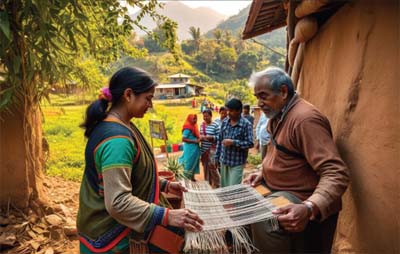 The discussions recognised that communities preserve many of the very assets that attract visitors—heritage, traditions, crafts, cuisine, festivals and local knowledge. Tourism therefore becomes stronger when these communities participate directly in the visitor experience and share in the economic opportunities that tourism creates.
Several participants observed that successful destination development depends upon local ownership and community confidence. Tourism initiatives are more likely to succeed when residents recognise tangible benefits through employment, enterprise, cultural preservation and improved public infrastructure. Conversely, where communities remain disconnected from tourism, destinations risk losing both authenticity and public support.
The conclave also highlighted the importance of creating opportunities for local entrepreneurship. Small businesses, artisans, guides, cultural practitioners, homestays and locally owned tourism enterprises contribute significantly to the distinctiveness of destinations while ensuring that economic benefits are more widely distributed.
Another recurring theme was the importance of preserving local identity. Participants argued that tourism should strengthen the character of a place rather than diminish it. Visitors increasingly seek authentic experiences rooted in local culture and tradition. Protecting this authenticity therefore serves both cultural and economic objectives.
National Imperative: Communities should be recognised as central partners in tourism development, ensuring that tourism strengthens local enterprise, preserves cultural identity and delivers broad-based economic and social benefits alongside visitor growth.
National Imperative 7
Make India an Experiential Tourism Destination
The discussions at the conclave reflected a growing recognition that the expectations of travellers are changing. Increasingly, visitors seek experiences that are authentic, personal and memorable rather than journeys centred solely on sightseeing. This changing pattern was identified as one of the most significant opportunities for Indian tourism.
 Participants observed that India’s greatest strength lies not only in the diversity of its destinations but also in the richness of the experiences they offer. Heritage, cuisine, festivals, crafts, spirituality, nature, wellness, performing arts and local traditions together provide opportunities for visitors to engage more deeply with places and communities.
A recurring theme was the evolving concept of luxury. The discussions suggested that luxury is no longer defined only by expenditure or material extravagance. Increasingly, it is associated with authenticity, exclusivity, personal engagement and meaningful experiences that cannot easily be replicated elsewhere. This shift presents India with a distinctive opportunity because many of its strongest tourism assets are rooted in culture and lived experience rather than constructed attractions.
Participants also emphasised that experiences should emerge naturally from the character of a destination. They should reflect local identity rather than be created artificially for visitors. Destinations become more distinctive when they enable travellers to understand how people live, celebrate, create and preserve their traditions.
The discussions further recognised that hospitality, heritage, local communities and destination planning all contribute to creating memorable experiences. Experiential tourism therefore cuts across multiple sectors and cannot be viewed as an independent niche within tourism.
National Imperative: India should increasingly position itself as an experiential tourism destination, building upon its cultural diversity, living traditions and authentic local experiences to create deeper engagement for visitors while strengthening the distinctive identity of its destinations.
National Imperative 8
Use Technology to Improve the Visitor Experience
The discussions recognised that technology is becoming an increasingly important enabler of tourism. Participants observed that digital platforms, improved connectivity and easier access to information have transformed the way travellers plan, book and experience their journeys.
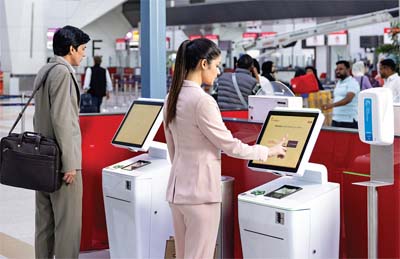 Rather than viewing technology as an end in itself, the conclave consistently approached it as a means of improving the quality, convenience and efficiency of the visitor experience. Better information, easier navigation, seamless bookings, digital payments and improved communication were all seen as contributing to a more satisfying journey.
Several participants also referred to the growing role of emerging technologies, including Artificial Intelligence, in supporting destination management, marketing and visitor services. While these technologies present significant opportunities, the discussions emphasised that they should complement rather than replace the human dimension of tourism. Technology can simplify travel, but the quality of the experience continues to depend upon people, hospitality and authentic engagement with destinations.
The conclave further highlighted the importance of ensuring that technology is accessible across the tourism ecosystem. Smaller businesses, local enterprises and emerging destinations should be able to benefit from digital tools alongside larger organisations, enabling them to reach wider markets and improve visitor services.
National Imperative: Technology should be adopted as an enabler of better tourism—improving information, accessibility, visitor services and destination management while preserving the human relationships and authentic experiences that remain at the heart of travel.
National Imperative 9
Invest in People, Skills and Leadership
Although the conclave focused primarily on destinations, heritage, hospitality and visitor experience, the discussions repeatedly underlined one fundamental reality: the success of tourism ultimately depends upon people.
Participants observed that infrastructure can improve accessibility, heritage can attract visitors and investment can create new facilities. However, the quality of the visitor experience is determined by the knowledge, professionalism and commitment of the people who deliver it.
 This was particularly evident during the discussions on hospitality, where service quality, leadership and continuous professional development were recognised as essential to maintaining standards in an increasingly competitive environment. Similar observations emerged in relation to guides, destination managers, cultural interpreters and local entrepreneurs, all of whom contribute directly to the visitor’s understanding and appreciation of a destination.
The discussions also suggested that tourism is becoming more knowledge-intensive. Visitors increasingly expect informed interpretation, authentic engagement and personalised experiences. Meeting these expectations requires investment not only in physical infrastructure but also in education, training and professional capability across the tourism ecosystem.
Participants further recognised that leadership will play an increasingly important role as the sector expands into new destinations and new markets. Building India’s travel businesses will require institutions and professionals capable of responding to changing visitor expectations while maintaining high standards of service and responsible destination management.
National Imperative: Equal priority should be given to developing people alongside destinations. Investment in skills, professional excellence and leadership should be recognised as fundamental to improving visitor experience and strengthening the long-term competitiveness of India’s tourism sector.
National Imperative 10
Make Sustainability an Integral Part of Tourism Development
The discussions consistently recognised that the long-term success of tourism depends upon protecting the very assets that attract visitors. Whether considering heritage, natural landscapes, cultural traditions or emerging destinations, participants repeatedly emphasised that tourism development should be guided by long-term sustainability rather than short-term expansion.
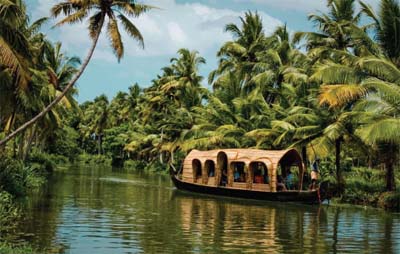 A recurring concern was that destination planning should anticipate growth before pressures become unmanageable. Participants observed that many destinations experience strain only after visitor numbers increase significantly. Better planning, they suggested, can help protect the character of destinations while improving the quality of the visitor experience.
The discussions also highlighted the close relationship between sustainability and community participation. Destinations are more likely to remain attractive and resilient when local communities benefit from tourism and become active partners in preserving their cultural and natural assets.
Several participants further observed that sustainability should not be viewed solely through an environmental lens. It also includes the conservation of heritage, the continuity of local traditions, responsible use of resources and the long-term economic viability of destinations. Tourism succeeds when it protects the qualities that make places distinctive rather than diminishing them through inappropriate development.
National Imperative: Sustainability should become a guiding principle of tourism development, ensuring that economic growth, heritage conservation, environmental responsibility and community well-being reinforce one another, allowing destinations to remain attractive, competitive and resilient over the long term.
National Imperative 11
Encourage Investment Through Confidence and Long-Term Planning
The discussions at the conclave recognised that sustained investment will play an important role in the continued growth of India’s tourism economy. Participants observed that as tourism expands into new destinations and new markets, investment in hospitality, visitor facilities and supporting infrastructure will become increasingly important.
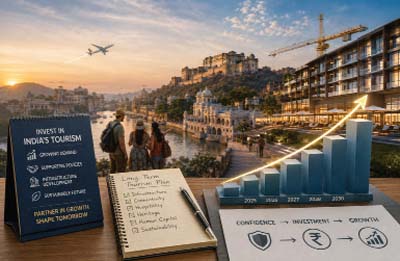 A recurring theme was that successful investment depends upon confidence. Investors are more likely to commit resources where destinations are supported by clear planning, improving infrastructure, stable policy and growing market demand. The discussions therefore linked investment closely with destination readiness rather than viewing it as an independent objective.
Participants also observed that the expansion of hospitality into new regions reflects growing confidence in India’s tourism potential. However, they emphasised that investment should contribute to the long-term quality of destinations rather than simply increasing capacity. Well-planned development strengthens visitor experience, supports local enterprise and creates lasting economic value.
The conclave further recognised that public and private investment should be viewed as complementary. Improvements in connectivity, civic infrastructure and destination management create conditions that encourage private investment, while private enterprise contributes innovation, employment and improved visitor services.
National Imperative: India’s tourism sector should continue to encourage investment through well-planned destinations, improved infrastructure and policy consistency, creating the confidence necessary for sustainable growth while strengthening the long-term competitiveness of the tourism economy.
National Imperative 12
Build a Stronger and More Distinctive Tourism Identity for India
The discussions at the conclave suggested that India’s greatest tourism strength lies in the diversity and authenticity of the experiences it offers. Across several sessions, participants observed that the country’s appeal extends well beyond its well-known monuments and destinations, encompassing living heritage, culture, cuisine, spirituality, nature, festivals and the everyday experiences of its people.
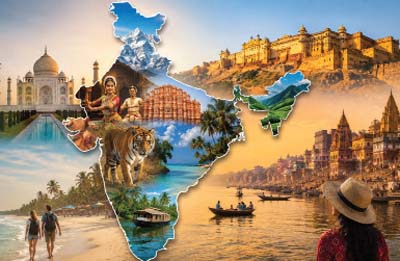 A recurring theme was that these diverse assets should be presented as part of a coherent visitor experience. Rather than promoting individual attractions in isolation, the discussions emphasised the importance of communicating the richness, diversity and authenticity that distinguish India as a destination.
Participants also noted that experiential tourism provides an opportunity to strengthen India’s identity in an increasingly competitive global marketplace. Visitors today seek meaningful engagement with places and communities, and India’s cultural depth offers a distinctive advantage when these experiences are thoughtfully developed and interpreted.
The discussions further recognised that every element of the visitor journey contributes to the country’s reputation. Well-managed destinations, welcoming cities, quality hospitality, effective interpretation and positive visitor experiences collectively shape perceptions of India far more powerfully than promotional campaigns alone.
National Imperative: India’s tourism identity should increasingly reflect the depth of its living culture, heritage and authentic experiences, supported by consistently high-quality visitor experiences that reinforce the country’s distinctive place within global tourism.
National Imperative 13
Measure Success by Outcomes, Not Numbers
Throughout the conclave, participants repeatedly returned to a broader understanding of what constitutes success in tourism. While visitor growth remains an important indicator, the discussions consistently suggested that numbers alone cannot determine whether tourism is achieving its wider purpose.
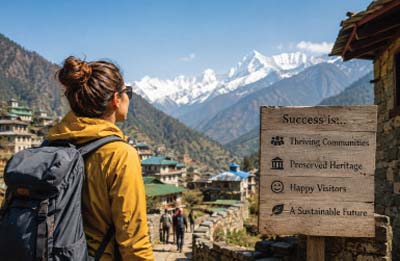 Across different sessions, success was increasingly described in terms of the benefits tourism creates for destinations and the people who live in them. Employment, stronger local enterprise, better urban environments, revitalised heritage, improved visitor experiences and greater community participation were all viewed as outcomes that deserve equal attention alongside visitor arrivals.
Participants observed that tourism should ultimately improve the places in which it operates. Destinations that become cleaner, more accessible, better managed and economically stronger represent a more meaningful measure of progress than visitor statistics alone. Similarly, tourism that strengthens local businesses, encourages entrepreneurship and supports cultural continuity contributes more substantially to long-term development.
The discussions also highlighted the importance of visitor experience. Memorable journeys encourage repeat travel, positive word-of-mouth and a stronger reputation for destinations. Quality therefore becomes as important as quantity in assessing tourism performance.
National Imperative: India’s tourism progress should increasingly be assessed not only by the number of visitors it attracts, but by the quality of visitor experiences, the strength of local economies, the well-being of communities and the lasting value tourism creates for destinations.
National Imperative 14
Strengthen Partnerships Across the Tourism Ecosystem
One of the clearest messages emerging from the 22nd BITB Conclave was that tourism is inherently collaborative. Throughout the discussions, participants repeatedly demonstrated that successful destinations are shaped not by a single institution but through the combined efforts of government, industry, local communities and numerous supporting sectors.
Whether the subject was heritage conservation, destination development, hospitality, tourism-ready cities or experiential tourism, the conversations consistently highlighted the need for closer coordination. Improvements in one area frequently depend upon progress in another. Better connectivity strengthens destinations. Well-managed cities improve visitor experience. Heritage conservation supports tourism. Hospitality investment encourages wider economic activity. Community participation gives destinations authenticity and resilience.
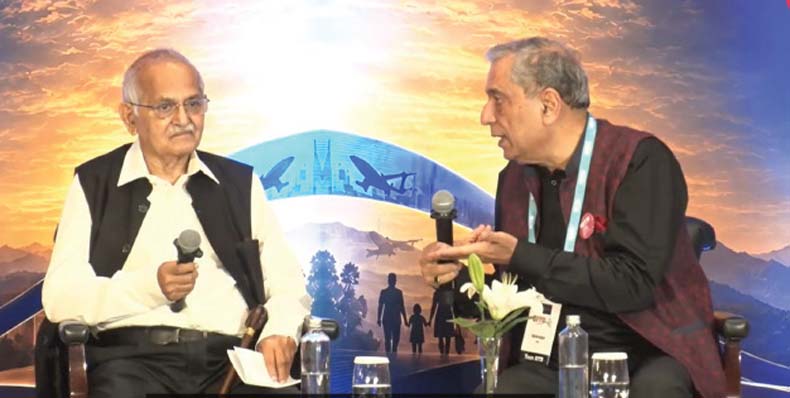
Participants also recognised that tourism planning benefits from continuous dialogue between policymakers and industry practitioners. Public policy establishes direction and creates the enabling environment, while industry contributes investment, operational expertise and innovation. Communities, in turn, preserve the cultural and natural assets that make destinations distinctive.
Another recurring observation was that tourism should not be viewed as the responsibility of any single ministry or industry segment. Its success depends upon effective collaboration across transport, urban development, culture, hospitality, local government and many other institutions whose decisions collectively shape the visitor experience.
National Imperative: Stronger and more continuous collaboration between government, industry, communities and related institutions should become a defining characteristic of India’s tourism development, ensuring that planning, investment and destination management move forward with a shared sense of purpose.
National Imperative 15
Adopt a Long-Term Perspective for Tourism Development
One of the underlying messages emerging from the 22nd BITB Conclave was that tourism should be approached as a long-term national endeavour. Participants repeatedly observed that destinations, heritage, hospitality and visitor confidence are built gradually through sustained effort rather than through isolated initiatives or short-term programmes.
 Across the discussions there was broad recognition that tourism development requires continuity. Heritage conservation, destination planning, hospitality investment, community participation and improvements in urban environments all produce their greatest benefits when pursued consistently over time. The discussions therefore encouraged a longer planning horizon that extends beyond individual projects and promotional campaigns.
Participants also emphasised that India’s tourism potential should be viewed in the context of the country’s wider economic and social transformation. Improvements in connectivity, expanding hospitality, growing domestic travel and renewed interest in culture and heritage together present opportunities that require patient planning and coordinated implementation.
Another recurring observation was that tourism policies and investments should reinforce one another over time. Destinations benefit when planning remains consistent, institutions work collaboratively and development is guided by a clear understanding of long-term objectives rather than immediate outcomes alone.
National Imperative: India’s tourism development should be guided by a long-term perspective, recognising that sustained planning, institutional continuity and consistent investment in destinations, communities and visitor experience provide the strongest foundation for enduring growth.
Implementation Roadmap
The deliberations of the 22nd BITB Conclave demonstrated that India’s tourism opportunity extends well beyond increasing visitor numbers. Across six sessions, participants consistently described tourism as an activity capable of generating employment, supporting entrepreneurship, revitalising heritage, strengthening cities, encouraging investment and contributing to balanced regional development.
The discussions also made clear that these outcomes cannot be achieved through isolated initiatives. Tourism functions as an interconnected ecosystem in which destinations, infrastructure, hospitality, communities, heritage, urban management and visitor experience reinforce one another.
 The fifteen National Imperatives presented in this Working Paper should therefore not be viewed as independent recommendations. They represent complementary priorities whose effectiveness depends upon their collective implementation.
First, greater integration in planning. Tourism should increasingly be considered alongside urban development, heritage conservation, hospitality, transport and local economic development. Better coordination across these areas will strengthen both destinations and visitor experience.
Second, continued investment in quality. Throughout the conclave there was broad agreement that India’s future competitiveness will depend less upon the number of destinations it promotes than upon the quality of the experiences it offers. Well-managed cities, thoughtfully developed destinations, authentic experiences, professional hospitality and meaningful community participation emerged as recurring themes across the discussions.
Third, continuity of purpose. Participants consistently recognised that tourism development requires sustained commitment. Destinations evolve over time. Heritage conservation is a continuing responsibility. Hospitality investment depends upon confidence. Community participation grows through trust. The long-term success of tourism therefore depends upon maintaining direction and consistency across successive initiatives.
The discussions also reinforced that responsibility for tourism is shared. Government establishes the enabling environment through policy, infrastructure and institutional support. Industry contributes investment, innovation and operational excellence. Communities preserve the cultural and natural assets that give destinations their distinctive identity. Educational institutions prepare future professionals. Civil society and local organisations contribute knowledge, stewardship and public engagement. Tourism succeeds when these relationships reinforce one another.
The implementation of the priorities identified in this Working Paper should therefore be regarded as a continuing process rather than a fixed programme. Individual destinations will differ in their needs and opportunities, but the underlying principles emerging from the conclave remain widely applicable: integrated planning, quality visitor experiences, community participation, sustainable development and long-term commitment.
These principles, consistently reflected throughout the discussions, provide a practical framework for strengthening India’s tourism economy while ensuring that its benefits are shared more widely across destinations, businesses and communities.