
Over 50 years of Tourism Advocacy
Building India's Travel Businesses
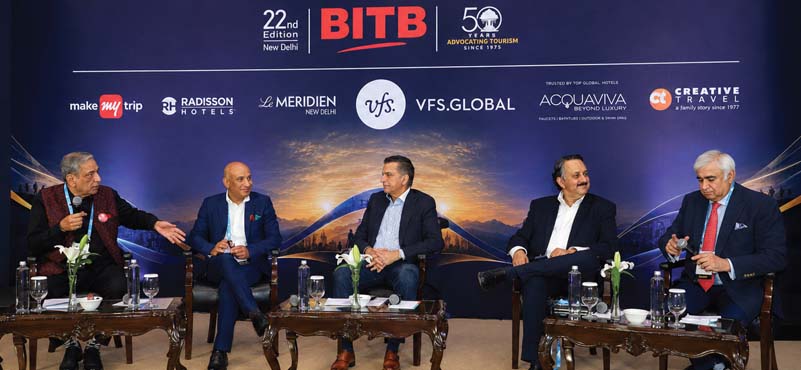
Luxury and Experiential, the Transformational Change

The discussion made one point abundantly clear: luxury tourism is no longer defined merely by the price of a room, the grandeur of a property or the exclusivity of a brand. Across hospitality, restaurants, destinations and travel experiences, luxury is increasingly being redefined as something more personal, more meaningful and more memorable. While traditional luxury will continue to have its place, the future clearly belongs to experiences that enrich, surprise and emotionally engage the traveller.
 RECOMMENDATIONS
1. Luxury Must Move Beyond Display to Meaning
Perhaps the strongest conclusion emerging from the session was that luxury is shifting from visible extravagance to invisible value. Marble lobbies, chandeliers and oversized suites may continue to impress, but they no longer create lasting memories by themselves. Today’s discerning traveller seeks authenticity, emotional connection and a genuine sense of place.
India therefore has an opportunity to redefine luxury on its own cultural strengths rather than attempting to imitate western models. Heritage, local traditions, craftsmanship, cuisine, spirituality and human warmth are assets that cannot easily be replicated elsewhere. The recommendation emerging from the discussion is that future tourism development should place greater emphasis on these enduring strengths, making them central to the luxury proposition rather than peripheral additions.
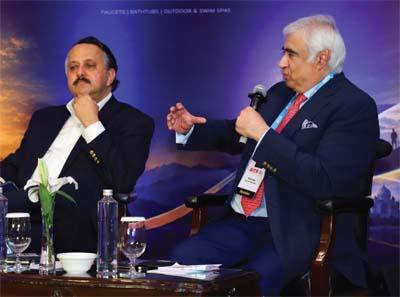 2. Experiences Should Become the Primary Tourism Product
The panel agreed that experiences are no longer supporting attractions—they are increasingly becoming the product itself.
Travellers today are willing to pay premium prices not merely for accommodation but for access to experiences that are rare, personal and difficult to recreate elsewhere. Dining in centuries-old heritage settings, interacting with local communities, learning traditional crafts, participating in regional festivals, discovering hidden landscapes or enjoying carefully curated culinary journeys are becoming the defining elements of luxury travel.
The recommendation therefore is that destinations should consciously develop experience portfolios rather than relying exclusively on monuments, hotels or sightseeing. Every destination should identify those authentic experiences that distinguish it from competing locations and package them professionally without compromising their originality.
3. Authenticity Must Replace Artificial Luxury
One of the strongest messages from the discussion was that authenticity itself has become the new extravagance.
Luxury travellers increasingly seek places that retain their original character rather than those that have been excessively commercialised. Boutique properties, heritage homes, local cuisine, traditional architecture and community interactions often generate stronger emotional value than standardised international luxury.
The recommendation is that tourism planners should resist the temptation to over-design destinations. Instead, they should preserve local identity while improving comfort, interpretation and accessibility. Authenticity should become a measurable quality objective in tourism planning rather than an incidental outcome.
4. Hospitality Design Should Focus on Human Behaviour Rather Than Physical Grandeur
The evolution of luxury is also reshaping the way hotels and resorts are conceived.
Future hospitality projects should move beyond creating visually impressive buildings towards creating environments that encourage relaxation, family interaction, wellness and meaningful engagement. Spaces that allow multi-generational families to spend time together, quiet areas that encourage reflection, wellness-oriented design, slower rhythms and stronger integration with nature are becoming increasingly valuable.
The recommendation is that hospitality architecture should increasingly be guided by behavioural psychology and guest experience rather than solely by aesthetics or construction scale.
5. India Should Develop a New Generation of Destination Resorts
The discussion highlighted that India’s hospitality industry is entering an important transition where destination resorts are likely to become one of the fastest growing luxury segments.
Unlike conventional city hotels relocated outside urban centres, future resorts should be destinations in themselves, offering immersive experiences over longer stays. These developments should integrate landscape, local culture, wellness, outdoor recreation and regional identity into a single coherent experience.
The recommendation is that both public policy and private investment should actively encourage world-class experiential resorts across India’s diverse regions, extending tourism benefits well beyond metropolitan centres.
 6. Culinary Tourism Should Become a National Tourism Strategy
Food has evolved from being an essential service into one of the strongest drivers of travel.
Restaurants today increasingly compete through storytelling, local ingredients, regional identity and memorable dining environments rather than formality or ceremonial service. Visitors increasingly seek experiences that reflect culture instead of conventional fine dining rituals.
India possesses one of the world’s richest culinary traditions. The recommendation emerging from the session is that culinary tourism should be recognised as a strategic tourism product in its own right. Regional cuisines, local chefs, food trails, farm-to-table experiences, heritage kitchens and culinary festivals should be integrated into destination marketing rather than treated as supporting attractions.
7. Community and Belonging Are Becoming Luxury Values
Luxury is also becoming increasingly social rather than individual.
Travellers are seeking places where they feel they belong, where they reconnect with family and friends, and where they experience shared moments rather than isolated indulgence. Hotels, clubs, restaurants and destinations that foster human connection are increasingly valued over those that simply display wealth.
The recommendation is that tourism developments should consciously design for community experiences, social interaction and slower engagement rather than focusing exclusively on physical infrastructure.
8. Tourism Products Must Cater to Diverse Luxury Segments
The discussion reinforced that there is no single definition of luxury.
Traveller expectations vary by age, life stage, cultural background, travel motivation and spending priorities. Some seek privacy and wellness; others pursue adventure, learning, heritage, gastronomy or exclusivity. Increasingly, luxury lies in personal choice rather than standardisation.
The recommendation is that tourism marketing should move away from generic luxury positioning towards highly segmented experiences tailored to clearly defined traveller profiles. Personalisation should become a central element of destination strategy.
9. India Should Expand Beyond Traditional Luxury Circuits
The panel observed that international visitors increasingly seek experiences beyond the familiar Golden Triangle.
Wildlife, Ladakh, Kerala, remote Himalayan regions, heritage villages, boutique properties and immersive cultural experiences are attracting sophisticated travellers who wish to explore deeper layers of India. Luxury is no longer confined to iconic monuments but increasingly lies in discovering places that remain relatively untouched.
The recommendation is that destination development agencies should actively create new experiential circuits across lesser-known regions while ensuring that visitor growth remains environmentally and culturally sustainable.
10. Slow Tourism Represents a Long-Term Structural Shift
The discussion suggested that slow tourism is unlikely to be a passing trend. Rather than attempting to see the maximum number of attractions within limited time, travellers increasingly value fewer destinations, longer stays and deeper engagement.
This evolution offers India significant opportunities because of the country’s cultural diversity, regional identities and layered histories. Longer stays also generate greater local economic impact while reducing the pressures associated with high-volume tourism.
The recommendation is that tourism policy should encourage itineraries that promote immersion rather than rapid movement. Marketing campaigns, destination planning and infrastructure should all support slower, more meaningful journeys.
11. Experience Quality Must Become the New Measure of Success
Traditional measures such as room inventory, occupancy or visitor numbers will remain important, but they no longer fully capture the quality of tourism.
Future competitiveness will increasingly depend upon the emotional impact that destinations leave on visitors. Satisfaction, storytelling, authenticity, repeat visitation and memorable experiences are becoming stronger indicators of success than physical scale alone.
The recommendation is that India’s tourism industry should gradually adopt experience quality as a key performance measure alongside conventional commercial indicators. The destinations that create the strongest emotional connections are likely to become the most successful in the years ahead.
12. Concluding Perspective
The session ultimately suggested that experiential tourism should not be viewed as replacing luxury but rather as redefining it. Luxury today is less about possessing something that others cannot access and more about living moments that others cannot easily replicate. In this evolving landscape, India enjoys a unique competitive advantage. Few countries can offer such extraordinary diversity of heritage, culture, cuisine, spirituality, landscapes and human warmth within a single destination.
The challenge before the industry is therefore not to create artificial luxury, but to reveal, curate and deliver India’s authentic experiences with greater imagination, professionalism and consistency. If that transition is successfully achieved, experiential tourism has the potential to become one of India’s strongest competitive advantages in the global tourism marketplace.