
Over 50 years of Tourism Advocacy
Building India's Travel Businesses
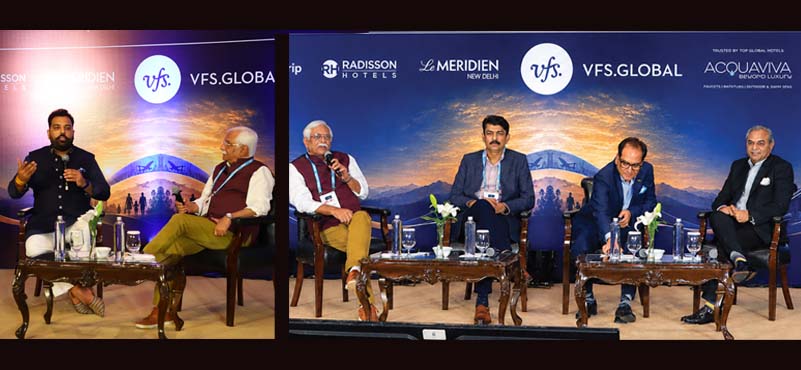
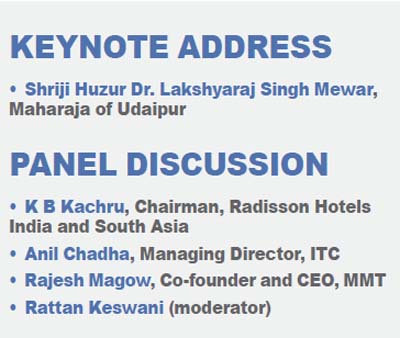
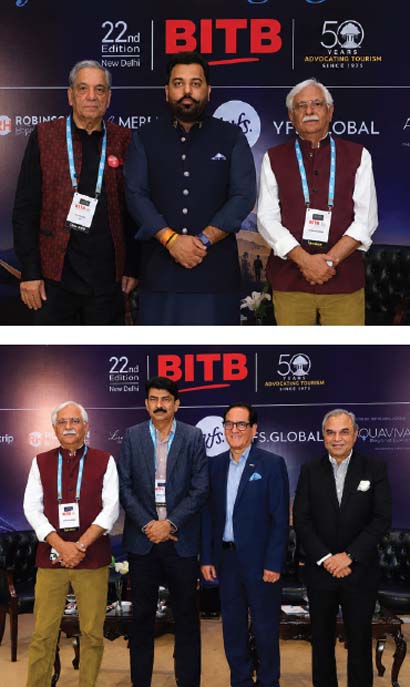
India’s Most Successful Tourism Journeys – How They Delivered

The discussion highlighted practical leadership lessons for tourism businesses, emphasising long-term growth, talent, technology, sustainability, collaboration, trust, resilience and strategic expansion across India’s emerging markets.
 1. Build for the Long Term, Not for the Next Quarter
The strongest message from the discussion was that enduring success in tourism is rarely the result of short-term opportunities. Every successful organisation represented on the panel—whether in online travel, hospitality or hotel management—emphasised the importance of having a clear long-term vision, executing consistently, and building capabilities “brick by brick.” Sustainable growth comes from patience, disciplined execution and the willingness to invest continuously in future opportunities rather than chasing immediate gains.
2. Invest in People Before Investing in Expansion
The panel agreed that organisations grow only as fast as their leadership teams. Recruiting outstanding talent, empowering them with responsibility, creating opportunities for growth, and sharing the rewards of success were identified as fundamental ingredients of scalable businesses. Companies must move beyond founder-driven organisations and deliberately create leadership at every level if they are to remain competitive.
3. Technology and Artificial Intelligence Must Become Core Business Strategy
Technology can no longer be treated as an operational support function. Artificial Intelligence, machine learning, automation and digital platforms are rapidly redefining how travel is searched, booked, marketed and experienced. The recommendation was clear: every tourism enterprise—large or small—must adopt technology proactively rather than reactively. Organisations that delay digital transformation risk losing competitiveness in an increasingly AI-driven marketplace.
 4. Sustainability Must Become a Business Principle Rather Than a Marketing Claim
Sustainability should no longer be viewed as an optional certification or branding exercise. It must become embedded within organisational culture, operating practices and investment decisions. Responsible use of resources, energy efficiency, water conservation and environmentally conscious design are increasingly becoming commercial advantages, while consumers are beginning to reward businesses that demonstrate genuine commitment rather than superficial compliance.
5. Create Industry-wide Standards for Sustainable Tourism
The discussion recognised that sustainability cannot succeed through isolated efforts alone. The industry should collaborate to develop transparent standards, credible certification systems and practical implementation frameworks that can be adopted by hotels of every size. Such common standards would improve consumer confidence while enabling smaller properties to participate meaningfully in responsible tourism practices.
6. Strengthen Partnerships with Hotel Owners
For hospitality companies pursuing asset-light expansion, success depends as much on managing relationships as on managing hotels. Owners increasingly expect transparency, realistic financial projections, operational excellence and long-term trust. Operators should regard owners as strategic partners rather than contractual clients, ensuring that business decisions consistently protect both the owner’s investment and the brand’s reputation.
7. Expand Aggressively into India’s Tier II and Tier III Markets
One of the most compelling lessons was that India’s future tourism growth will increasingly come from emerging destinations beyond the metropolitan centres. Early investment in Tier II and Tier III cities creates long-term competitive advantage, strengthens brand visibility and opens entirely new tourism markets. Future expansion strategies should therefore balance established destinations with high-potential regional markets.
8. Build Trust as a Strategic Business Asset
Across every sector represented on the panel, trust emerged as perhaps the most valuable competitive advantage. Trust between companies and customers, operators and owners, employers and employees, and industry and government ultimately determines long-term success. Organisations that consistently honour commitments and support partners during difficult periods build relationships that cannot easily be replicated by competitors.
9. Encourage Greater Industry Collaboration
The panel called for stronger collaboration between travel technology companies, hospitality operators and tourism stakeholders. Many challenges—particularly technology adoption, sustainability implementation and customer education—are industry-wide issues that are better solved collectively than individually. Shared platforms, common standards and collaborative innovation would accelerate the sector’s overall competitiveness.
10. Develop Resilience as a Core Leadership Capability
Every panellist acknowledged that success is invariably accompanied by setbacks, uncertainty and periods of intense pressure. Economic crises, pandemics, technological disruption and market shifts are inevitable. The defining quality of successful leaders is therefore not the absence of adversity but the ability to remain committed to their long-term vision, adapt continuously and persevere through changing circumstances. Resilience, conviction and passion remain the most enduring competitive advantages in tourism leadership.