
Over 50 years of Tourism Advocacy
Building India's Travel Businesses
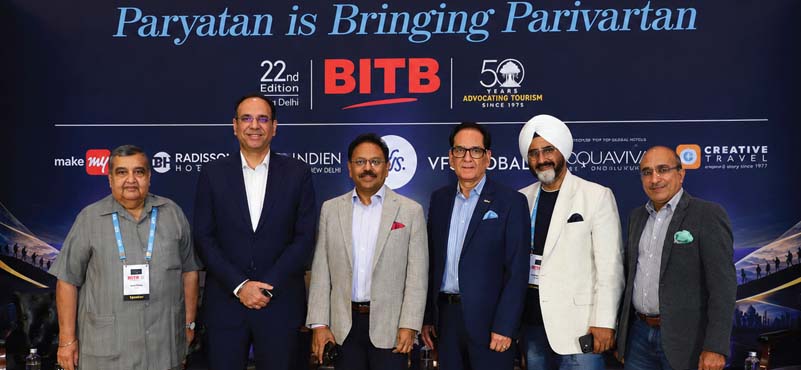
The Challenge of Promoting Lesser Known Destinations

Transforming India’s tourism cities requires integrated planning, stronger civic infrastructure, authentic experiences, seamless execution, collaborative governance, and visitor-centric development for sustainable growth.
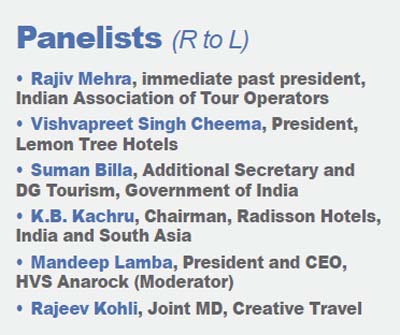 RECOMMENDATIONS
1. Recognise Hospitality as a Strategic Engine of Economic Growth
Hospitality should be viewed not merely as a service industry but as a national economic driver capable of generating employment, stimulating investment, supporting regional development and contributing significantly to GDP. Future policy should position hospitality alongside other strategic growth sectors in India’s economic transformation.
2. Accelerate Hotel Development Across Emerging India
The next phase of hotel growth must increasingly focus on Tier II and Tier III cities, pilgrimage centres, leisure destinations and emerging business locations. Expanding quality accommodation into these markets will unlock regional economic opportunities while supporting India’s rapidly expanding domestic travel market.
3. Promote Hospitality as a High-Employment Industry
Investment in hospitality delivers one of the highest employment multipliers across the economy. Government policies should therefore actively encourage hotel development as an instrument of large-scale job creation, particularly for youth and local communities in smaller cities and destinations.
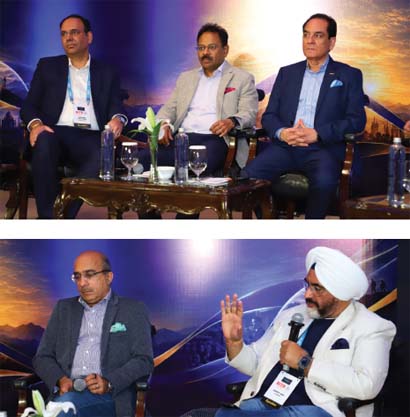 4. Build Stronger Partnerships Between Hotel Owners and Operators
The relationship between owners and hotel management companies should evolve from contractual arrangements to long-term strategic partnerships built on trust, transparency and shared success. Clear expectations, honest communication and mutual accountability are essential for creating sustainable value for both parties.
5. Encourage Greater Institutional Investment in Hospitality
India’s hospitality sector is increasingly emerging as an attractive long-term investment class. Policy reforms, simplified approvals and improved ease of doing business should encourage greater participation from institutional investors, long-term capital and international funds to accelerate hotel development across the country.
6. Strengthen India’s Hospitality Brands Through Purpose and Consistency
Brands should compete not simply through expansion but through clearly defined positioning, consistent customer experiences and strong organisational values. Long-term success will depend upon maintaining brand integrity while adapting products to evolving consumer needs across different market segments.
7. Support the Transformation of Independent Hotels into Branded Properties
India’s vast inventory of independent hotels represents a major opportunity for quality enhancement. Branded operators should facilitate the transition of suitable independent properties by providing technology, distribution, operating systems, training and internationally recognised service standards while preserving local character where appropriate.
8. Invest in People Before Investing in Infrastructure
The panel repeatedly emphasised that hospitality remains fundamentally a people business. Recruitment, leadership development, continuous training and organisational culture should receive the same strategic attention as physical infrastructure. Successful organisations are built by investing patiently in people who embody shared values and service excellence.
9. Build Tourism Awareness Through Education
Tourism awareness, civic responsibility and national pride should become part of India’s education system from an early stage. Structured exposure to heritage, culture, monuments and tourism assets can help build a generation that values cleanliness, hospitality, responsible citizenship and pride in India’s tourism resources.
10.Improve Civic Infrastructure to Strengthen Destination Competitiveness
Basic public infrastructure—including cleanliness, sanitation, walkability, parking, visitor facilities and safety—must improve significantly if India is to realise its tourism potential. Tourism competitiveness begins with everyday civic standards experienced by residents as well as visitors.
11. Build Strong Localisation Alongside Global Standards
International hospitality brands operating in India should continue adapting products and services to Indian market conditions while maintaining globally recognised standards of quality, safety and customer experience. The balance between localisation and international best practices will define future competitiveness.
12. Foster Leadership Built on Values, Trust and Long-Term Vision
The most successful organisations represented in the session attributed their growth to leadership founded on integrity, trust, transparency and respect for people. Organisational culture must begin at the leadership level and consistently reinforce these values across every level of the enterprise.