
Over 50 years of Tourism Advocacy
Building India's Travel Businesses
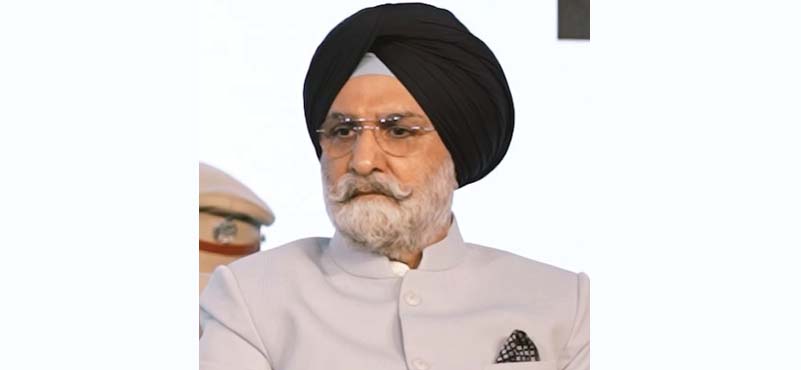
Unlocking India’s Tourism Dividend

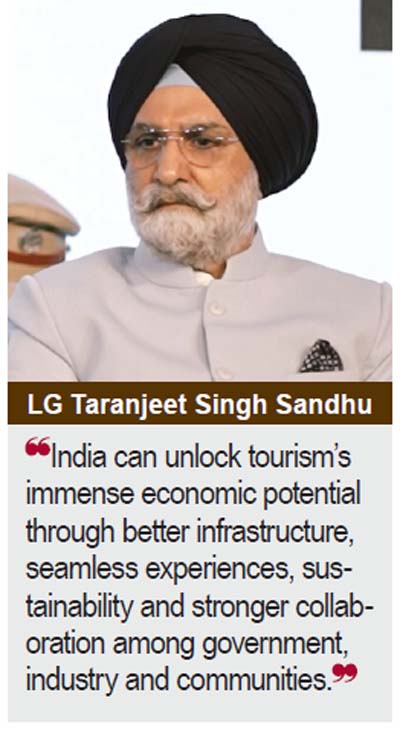
Tourism is driving jobs, investment, regional growth and global engagement, with Delhi leading India’s transformation, says Lieutenant Governor Delhi Taranjit Singh Sandhu
Tourism is one of the most important drivers of economic growth, employment generation, cultural preservation and international engagement. Few sectors combine economic development with social opportunity as effectively as tourism.
Its economic impact extends across a wide ecosystem. A visitor contributes not only to hotels and airlines, but also to restaurants, transport services, local markets, artisans, cultural institutions, guides and small businesses. This makes tourism one of the most inclusive forms of economic activity, creating opportunities across regions and communities.
Tourism also enables societies to share their histories, traditions and identities with the world. Every monument, festival, cuisine, craft and cultural practice tells a story. When preserved and presented responsibly, these become not only symbols of heritage but also sources of sustainable economic value.
 The global tourism landscape is evolving rapidly. Travellers increasingly seek meaningful experiences rather than simply destinations. Heritage, spiritual, wellness, medical, adventure, eco, culinary and business tourism are all expanding as people look for deeper engagement with places and cultures.
India is uniquely positioned to benefit from this transformation. Few countries possess such a rich combination of civilisational heritage, cultural diversity, natural landscapes, spiritual traditions and modern infrastructure. From the Himalayas to the coastline, and from ancient monuments to vibrant cities, India offers experiences that are diverse, authentic and distinctive.
The task before us is to transform this potential into a globally competitive tourism ecosystem through better connectivity, stronger infrastructure, improved visitor experiences, sustainable practices and greater collaboration among stakeholders.
As Prime Minister Narendra Modi has said, tourism has the potential to bring prosperity to the lives of many. The government will continue to focus on strengthening India’s tourism infrastructure so that more people can experience the wonders of Incredible India.
Over the past decade, India has made significant progress by expanding air connectivity, improving highway and railway networks, promoting digital initiatives, conserving heritage, introducing the e-visa framework and strengthening regional connectivity through the UDAN scheme.
The next phase of tourism growth will require closer cooperation among governments, industry and communities. The visitor experience depends on transportation, infrastructure, safety, cleanliness, hospitality, heritage management and public services working together.
Delhi occupies a particularly important place in this landscape. As the national capital, it is not only the seat of governance but also a gateway through which millions of visitors experience India. It represents a convergence of history, diplomacy, culture, commerce and contemporary urban development.
Our objective is to further strengthen Delhi’s position as a global tourism hub by enhancing connectivity, public infrastructure, hospitality services, cultural programming, digital accessibility, safety and sustainability. Delhi has already demonstrated its ability to host the world.
The successful G20 Leaders’ Summit in 2023 showcased India’s capacity to organise international events of the highest standard, while leaving lasting improvements in urban infrastructure and visitor facilities. Beyond its iconic monuments, Delhi’s museums, performing arts, religious sites, cuisine, heritage markets and cultural festivals reveal the many layers of India’s civilisational legacy.
Strong partnerships between government and the private sector will be essential to realise this potential. The future of tourism depends on balancing growth with responsibility. Sustainable tourism, heritage preservation, responsible use of resources, and positive experiences for visitors and local communities must remain central to our approach.