
Over 50 years of Tourism Advocacy
Building India's Travel Businesses
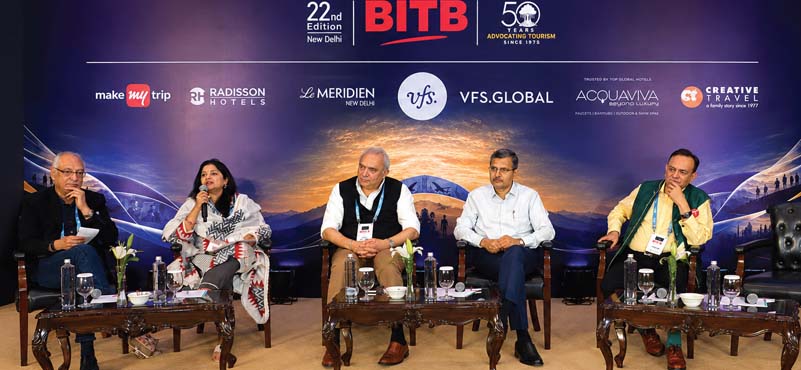
Urban Centres of Tourism Excellence; Making Cities Tourism Ready

India’s tourism cities can achieve global competitiveness through integrated planning, stronger infrastructure, authentic experiences, effective governance, innovation, and community-led destination development.
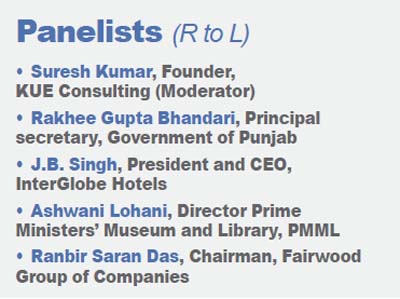 RECOMMENDATIONS
1. Reimagine Cities as Complete Visitor Experiences
Indian cities need to move beyond treating tourism as the preservation of monuments or the construction of isolated attractions. Visitors increasingly seek destinations that offer a complete experience—heritage, culture, food, shopping, public spaces, entertainment, mobility and local interaction woven seamlessly together. Tourism planning should therefore focus on creating vibrant urban experiences where every part of the journey contributes to lasting memories.
2. Make Cities Liveable Before Making Them Tourist Friendly
The discussion strongly reinforced the principle that a city which works well for its own residents will naturally work well for visitors. Cleanliness, safety, efficient mobility, attractive public spaces, good lighting, reliable civic services and quality infrastructure are not tourism projects alone; they are investments in better urban living. Tourism should emerge as a consequence of building better cities rather than as an isolated objective.
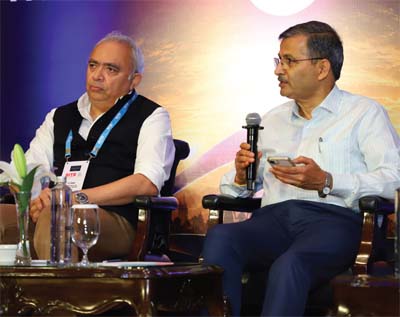 3. Shift the Focus from Grand Vision to Flawless Execution
India has rarely suffered from a shortage of ideas. The challenge has consistently been implementation. The session recommended placing far greater emphasis on execution, accountability and delivery. Transforming tourism cities requires simplifying administrative procedures, reducing bureaucratic complexity, empowering decision makers and ensuring that projects move quickly from concept to completion.
4. Prioritise the Fundamentals of Visitor Comfort
Simple civic improvements often influence visitor satisfaction more than expensive landmark projects. Clean public toilets, well-maintained roads, efficient traffic management, clear signage, pedestrian safety, lighting, waste management and reliable public amenities should become the first priorities for every tourism city. Excellence begins with getting the basics consistently right.
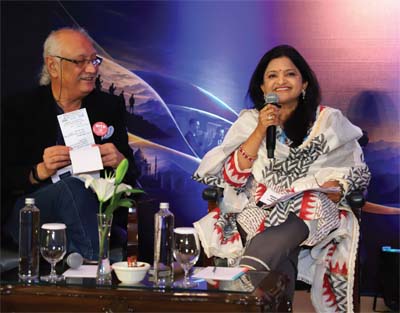 5. Create Walkable, Human-Centred Urban Spaces
Walkability emerged as one of the defining characteristics of successful tourism cities. Comfortable footpaths, safe crossings, shaded streets, public seating, attractive streetscapes and universally accessible pedestrian infrastructure encourage visitors to explore cities at a slower pace while simultaneously improving quality of life for local communities.
6. Develop Tourism Nodes Rather than Attempting to Transform Entire Cities at Once
Given the scale and complexity of Indian cities, tourism development should initially focus on carefully identified districts where heritage, hospitality, culture, retail, entertainment and public spaces can be integrated into complete visitor precincts. Successful tourism nodes can subsequently expand and stimulate wider urban renewal across the city.
 7. Encourage Citizens to Become Tourists in Their Own Cities
Domestic tourism begins at home. Cities should actively encourage residents to discover their own museums, heritage sites, neighbourhoods, parks and nearby destinations. Building local pride creates year-round tourism demand, strengthens community ownership of heritage and develops residents into ambassadors for their own city.
8. Build Tourism Around Local Identity and Authentic Experiences
Every city should identify what makes it genuinely distinctive rather than attempting to replicate successful destinations elsewhere. Local cuisine, crafts, traditions, neighbourhoods, festivals, architecture and everyday life should become integral parts of the tourism experience. Authenticity is increasingly becoming the strongest competitive advantage in destination marketing.
9. Promote Integrated Planning Across Government Departments
Tourism cannot be developed by tourism departments alone. Urban development, transport, municipal authorities, culture, policing, public works and hospitality all influence the visitor experience. The session recommended stronger institutional coordination through empowered leadership capable of bringing all stakeholders together under a common vision.
10. Foster Public–Private–People Partnerships
Successful tourism development requires partnership beyond government and industry. Local communities must become equal participants in shaping tourism experiences. Citizens, businesses and governments should jointly create, maintain and continuously improve tourism precincts, ensuring that economic benefits are shared while preserving local identity.
11. Simplify Regulations to Encourage Greater Investment
Hospitality and tourism investments continue to face procedural delays, regulatory complexity and inefficient approval systems. Simplified regulations, faster approvals, rational planning norms and greater reliance on self-certification, backed by strong accountability, would significantly accelerate investment while improving the competitiveness of Indian tourism cities.
12. Use Technology to Improve Visitor Management
Technology should increasingly be deployed not merely for destination promotion but for destination management. Real-time traffic information, crowd management systems, digital navigation, intelligent signage and visitor information platforms can help reduce congestion, distribute tourist flows more evenly and significantly improve the visitor experience.
13. Measure Every City’s Strengths and Limitations Before Planning Tourism
Each city should undertake a structured assessment of its tourism assets, infrastructure, accessibility, visitor services, carrying capacity and development constraints. Such a framework would enable destinations to formulate realistic tourism strategies based on evidence rather than aspiration, ensuring that investment is directed towards areas offering the greatest impact.
14. Encourage Innovation While Accepting the Possibility of Failure
Tourism transformation requires experimentation. Governments and industry should be willing to pilot new ideas, learn from unsuccessful initiatives and continuously refine policies. Building a culture that rewards innovation, rather than penalising every unsuccessful attempt, will create more dynamic and resilient tourism destinations over time.
15. Create Multiple Tourism Hubs to Reduce Congestion
Rather than concentrating visitor activity around one iconic attraction, cities should develop multiple tourism districts distributed across the urban landscape. This would disperse economic benefits, reduce overcrowding, minimise pressure on historic precincts and encourage visitors to spend longer periods exploring the destination.